Integrated vs Modular ATPL: Which Route to the Flight Deck Suits You?
Two EASA routes, one licence. Compare the integrated and modular ATPL paths on structure, pace, theory exams and cost planning to find the one that fits you.
Two EASA routes, one licence. Compare the integrated and modular ATPL paths on structure, pace, theory exams and cost planning to find the one that fits you.
If you want to fly for an airline in Europe, you will need the same end result whichever school you choose: a Commercial Pilot Licence (CPL) with multi-engine and instrument ratings, plus credit for the Airline Transport Pilot Licence (ATPL) theory exams. There are two main ways to get there under EASA rules: the integrated route and the modular route.
Both routes are recognised by EASA and lead to the same licence, and they suit different people and situations. That said, if your goal is to fly for an airline as directly as possible, the integrated route has some clear advantages. Here is how the two compare.
An integrated ATPL course takes you from little or no flying experience to a “frozen” ATPL in a single, full-time programme at one Approved Training Organisation (ATO). Theory and flying are planned together, and you progress with a cohort of fellow students.
The modular route breaks the same qualifications into separate stages that you can complete one at a time, often at different schools:
Modular training can be a good fit if you need to keep working while you train, if you already hold a PPL or other licences, or if you need to spread the cost over a longer period. If you choose this route, plan carefully to avoid long gaps between stages, which can make it harder to keep skills and knowledge fresh.
Both routes include the same ATPL(A) theory syllabus, covering 13 subjects from Air Law to Meteorology and Principles of Flight. Under EASA rules, you must pass all of them within an 18-month period and a maximum of six exam sittings, with up to four attempts per subject. The pass mark is 75%. Good study habits and a well-organised theory course make a real difference here.
Ask yourself a few practical questions:
If you can commit to full-time training and your goal is an airline career, the integrated route is usually the most direct way to get there. Whichever route you take, look closely at the school itself: its approvals, fleet, instructors, weather, safety culture and how it prepares students for airline selection.
Usually, because it is full time and continuous. A modular route can be just as quick for some people, but many take longer because they train around work.
Both routes lead to the same EASA licence, and airlines recruit pilots from both. However, many airline and manufacturer cadet programmes are built around integrated training, so it can open specific doors. Check the requirements of the airlines you are interested in.
The current EASA ATPL(A) syllabus has 13 subjects, which must be passed within 18 months and six sittings.
For most people who can train full time, the integrated route is the most direct, because it combines all the stages into one continuous programme.
No. Integrated courses are designed for people with little or no flying experience.
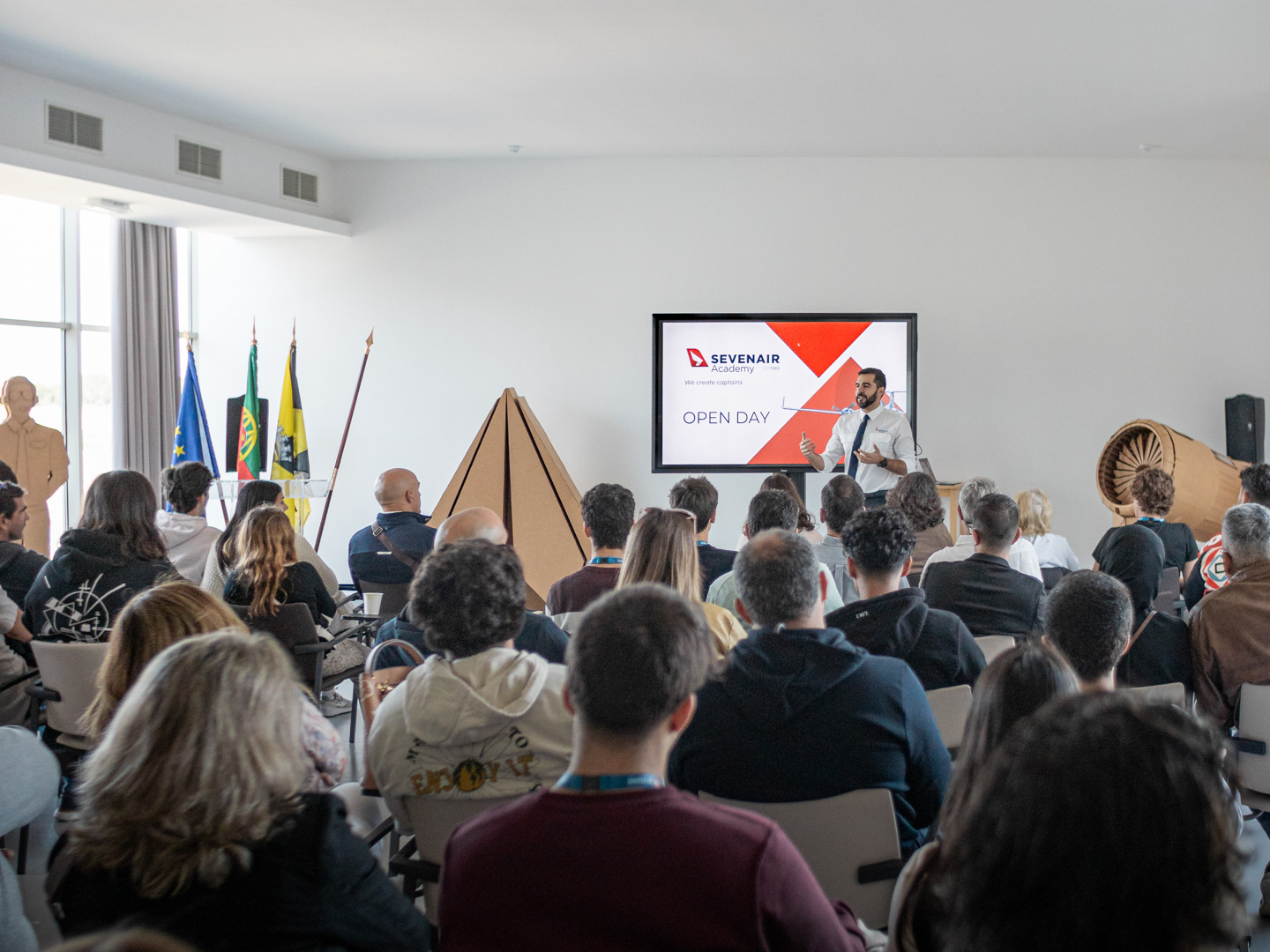
Curious about what a typical training day looks like? Our Open Day is a chance to see a training campus, meet instructors and ask questions in person.
This article is for general information only. Training requirements are set by EASA and national authorities and can change; always check the current rules and course details with an approved training organisation.