The EASA Class 1 Medical: What to Expect and How to Prepare
Every airline pilot needs an EASA Class 1 medical. Find out what the initial exam involves, how long the certificate lasts and how to prepare before you start training.
Every airline pilot needs an EASA Class 1 medical. Find out what the initial exam involves, how long the certificate lasts and how to prepare before you start training.
Before you invest in pilot training, there is one step that every future airline pilot should take first: the EASA Class 1 medical. It is the medical certificate required to exercise the privileges of a commercial or airline transport pilot licence. Getting it early gives you peace of mind before you commit time and money to training.
Here is what the Class 1 medical is, what the initial examination usually involves and how to prepare.
Under EU aviation rules (Part-MED), pilots need a medical certificate appropriate to their licence. Commercial and airline pilots need a Class 1 certificate, the most demanding category. It confirms that you meet the physical and mental fitness standards needed to fly professionally.
Your initial Class 1 medical must be issued by an Aeromedical Centre (AeMC) approved by a national aviation authority. Later renewals can usually be done by an approved Aeromedical Examiner (AME). Your training organisation can normally recommend an approved centre.
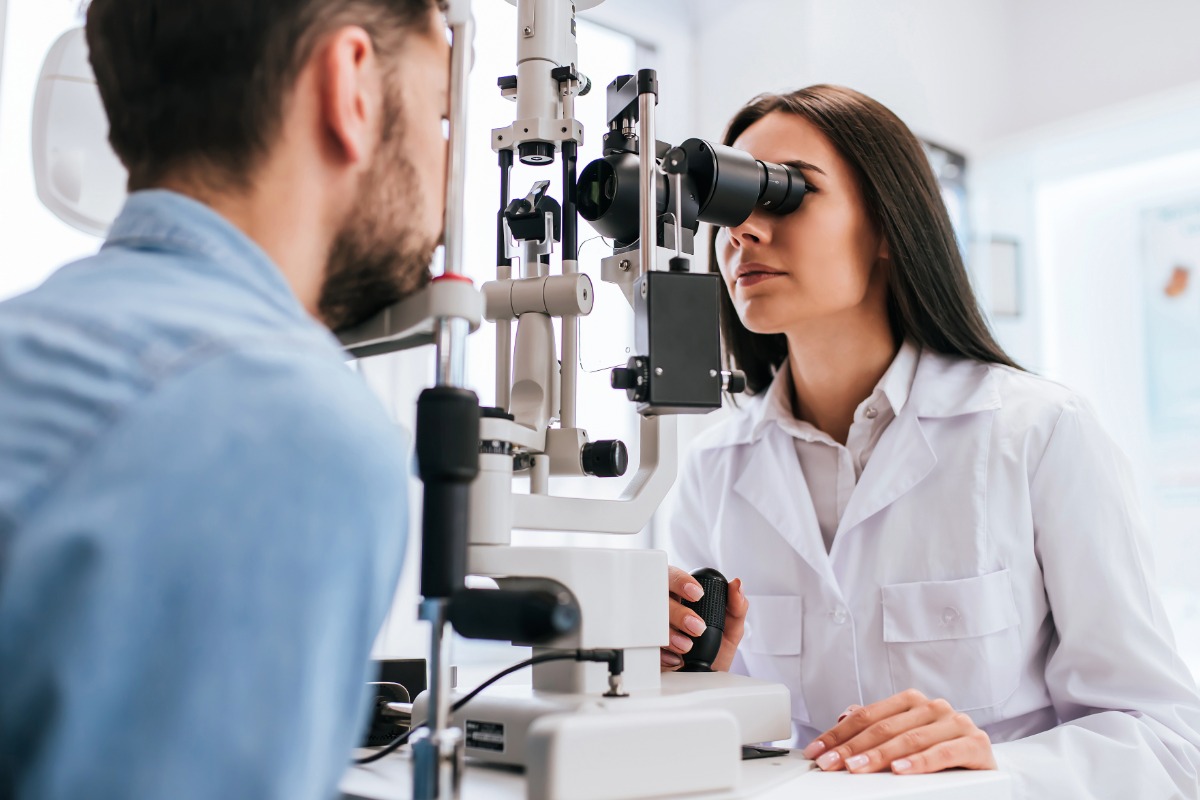
The initial Class 1 examination is thorough and usually takes several hours, often most of a day. Exact content varies by centre, but it typically includes:
Some results may need follow-up tests or a specialist opinion before a decision is made. This is common and does not necessarily mean you will not be certified.
Under EASA rules, a Class 1 medical certificate is generally valid for 12 months. The validity reduces to 6 months for pilots aged 60 or over, and for pilots aged 40 or over engaged in single-pilot commercial air transport operations carrying passengers. You will need regular renewals throughout your career, so maintaining your health becomes part of the job.
Very often, yes. Many airline pilots wear glasses or contact lenses. There are limits on refractive error and other eye conditions, which the AeMC will assess.
It depends on the condition and how well it is controlled. Some conditions are compatible with certification, sometimes with limitations or extra monitoring. Only an aeromedical examiner can assess your individual case.
Not necessarily. Colour vision is tested, and there are further assessments available if the first test is not passed. The outcome depends on the type and degree of colour vision deficiency.
Most training organisations require it before you start, or at least before your first solo flight. It is strongly recommended to have it before you commit financially.
Generally 12 months, reducing to 6 months from age 60, or from age 40 for pilots in single-pilot commercial passenger operations.
At an Aeromedical Centre (AeMC) approved by a national aviation authority.
Yes, which is exactly why it makes sense to take it before investing in training. Many issues can be resolved with further tests or specialist reports.
The Class 1 medical is one of the first steps in our guide on how to become an airline pilot in Europe. You will also find answers to common admission questions on our FAQs page.
This article is for general information only and is not medical advice. Only an approved Aeromedical Centre or Aeromedical Examiner can assess your fitness. Check current requirements with your national aviation authority.