What Is Life Really Like as an Airline Pilot? Rosters, Rest and Time Off
Early alarms, new cities and blocks of days off. A realistic look at a pilot's duty day, rosters, EU flight time limits and the highs and challenges of the job.
Early alarms, new cities and blocks of days off. A realistic look at a pilot's duty day, rosters, EU flight time limits and the highs and challenges of the job.
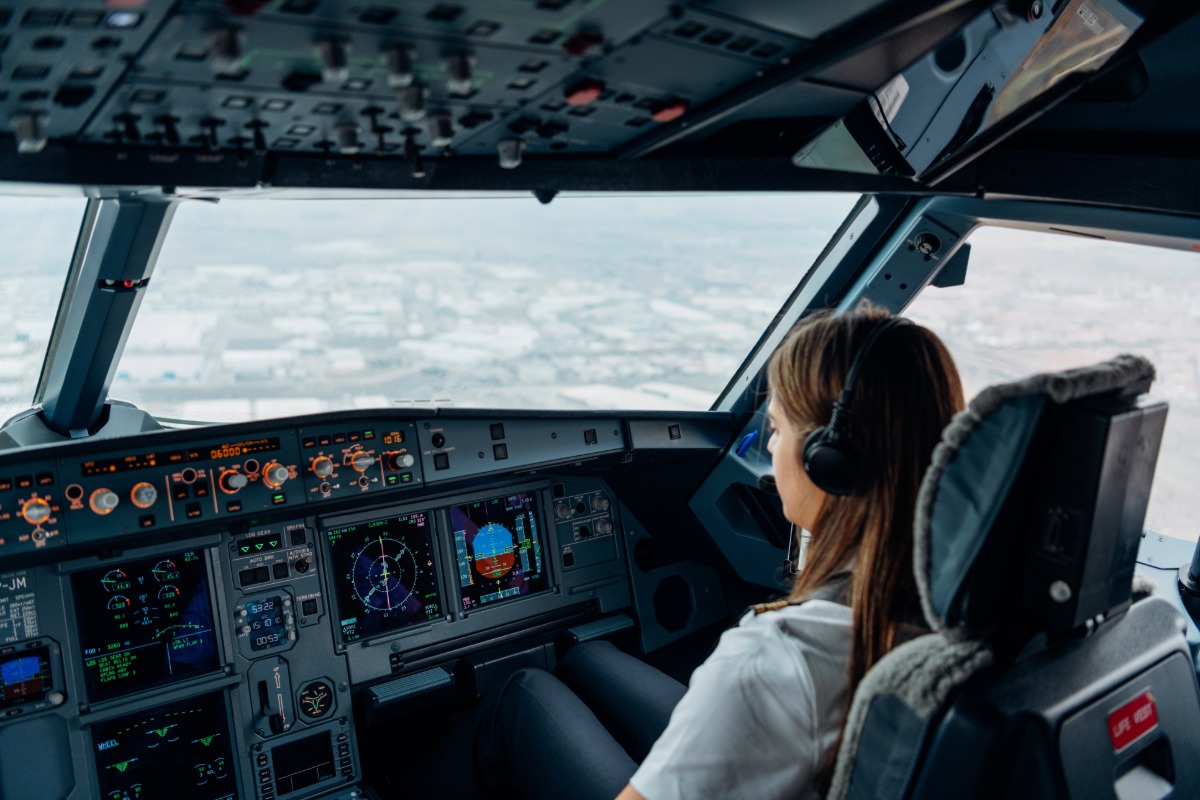
From the outside, the life of an airline pilot looks glamorous: new cities, sunrise above the clouds, a uniform and a view no office can match. All of that is real. So are early alarms, irregular rosters and nights away from home. If you are thinking about becoming a pilot, it helps to understand what day-to-day life actually looks like.
A pilot's working day does not start at take-off. A short-haul duty usually looks something like this:
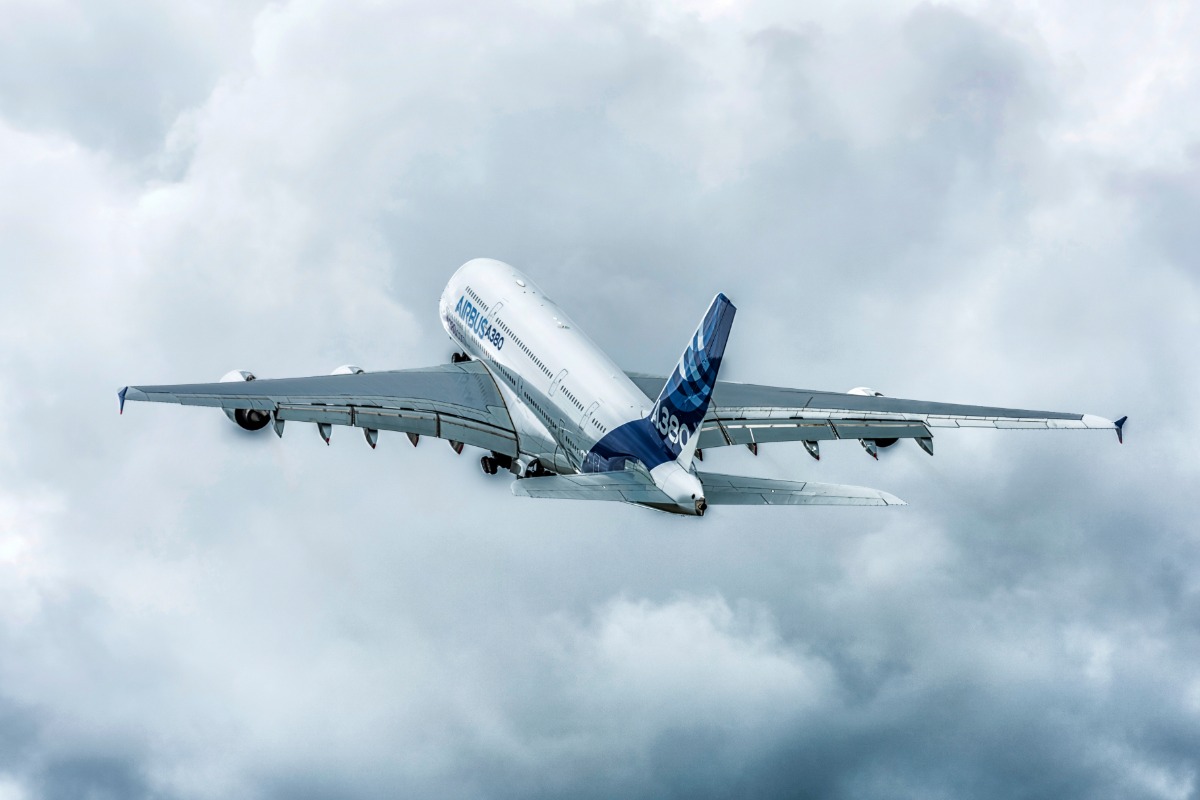
On long-haul flights, you might fly a single sector of ten hours or more, sharing the flight with additional crew so that everyone gets in-flight rest, before a layover at the destination.
Pilots work to a roster, a schedule of duties and days off usually published a few weeks in advance. Patterns vary widely between airlines:
Industry sources commonly quote around 9 to 15 days off per month, depending on the airline and type of flying. At many airlines, seniority matters a lot: senior pilots often get first choice of routes, leave and roster requests.
In Europe, Flight Time Limitations (FTL) are set out by EASA in EU regulations to manage fatigue. Among other limits, the rules cap:
Airlines can and often do apply stricter limits through their own schemes and labour agreements.
Many pilots say the lifestyle is something you adapt to, and that the rewards outweigh the disruption. It helps to be organised, flexible and comfortable with routine checks of your skills. If you can, talk to working pilots about their own experience; it is the best way to get a realistic picture.
Commonly between about 9 and 15 days, depending on the airline, the roster pattern and whether you fly short-haul or long-haul.
EU rules cap flight time at 900 hours per calendar year and 100 hours in any 28 consecutive days, alongside other duty and rest limits.
On long-haul trips with layovers, often yes. On short-haul, pilots usually fly out and back in the same day and sleep at home.
Partly. Many airlines let pilots submit roster requests, and seniority usually gives more choice over time.
Want to understand the training that leads to this career? Read our guide on how to become an airline pilot in Europe.
This article is for general information only. Flight time limitations are summarised and may not cover every condition; refer to the current EASA rules and your operator's approved FTL scheme for authoritative requirements.